Source Adjustable Angle Finger Splint for Injury, Rehab, and Sports
Find and compare 30 adjustable angle finger splint options from verified manufacturers. Evaluate features like neoprene material, Class I classification, and customization availability to select the right support for rehabilitation and fracture fixation needs; compare the available evidence and request quotations based on your requirements.
Key considerations
Products List


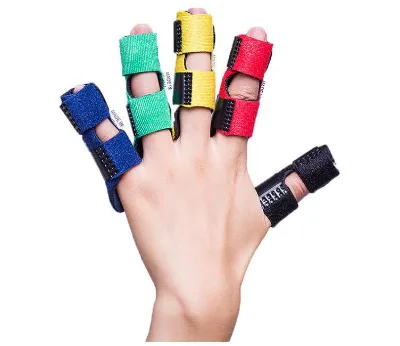
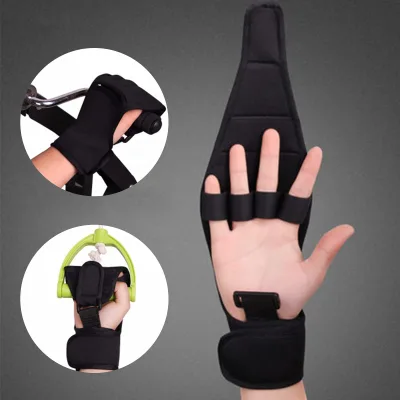


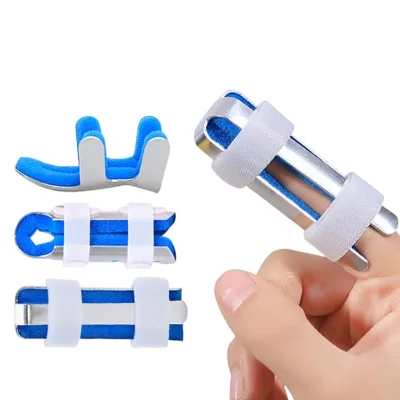


Comprehensive Sourcing Guide
Adjustable Angle Finger Splint Sourcing Guide
Procuring adjustable angle finger splints requires a nuanced understanding of both medical device classification and ergonomic design principles. Buyers must distinguish between static immobilization devices and dynamic splints that permit controlled motion, as this distinction dictates regulatory pathways and clinical utility. The core keyword highlights a specific mechanical feature: adjustability. This implies the presence of hinges, straps, or modular components that allow clinicians to modify the range of motion or fixation angle post-fitting. Sourcing such devices involves evaluating not just the material composition, but the precision of the adjustment mechanism, which directly impacts patient compliance and therapeutic outcomes.
The market for these splints is fragmented, ranging from simple neoprene braces to complex rigid orthotics with metal or plastic hinges. Buyers should recognize that "adjustable" can refer to circumferential sizing via hook-and-loop fasteners or angular adjustment via mechanical joints. Understanding this terminology is critical when reviewing supplier catalogs. Misinterpretation can lead to ordering static splints when dynamic rehabilitation tools are required. Therefore, initial supplier communications must explicitly define the type of adjustability, the range of motion permitted, and the intended clinical stage of use, whether for acute fracture stabilization or chronic joint support.
Product Scope and Observed Listing Signals
Current market listings for finger support devices reveal a diverse array of product attributes that buyers must carefully parse. Observed data indicates a price range of $0.49 to $7.00 USD, with minimum order quantities (MOQs) varying significantly from 1 to 2,000 units. This wide variance suggests a market populated by both low-cost, high-volume generic manufacturers and specialized medical device producers offering premium features. The presence of models like IHCF-FS-14 and JK indicates multiple manufacturing lines, each potentially serving different market segments. Buyers should note that lower price points often correlate with basic neoprene materials and simple strap adjustments, whereas higher prices may reflect rigid structural components or specialized medical-grade certifications.
Further analysis of listing signals shows that products are frequently described with attributes such as "Keep Warm," "Health Care," and "Body Shaper," which may indicate a broader wellness market rather than strict medical device classification. However, specific listings also cite "Class I" instrument classification and "Fracture Fixation" usage, signaling a more rigorous medical application. The observed color options, including black, blue, yellow, and white, suggest customization capabilities for branding or clinical identification. Buyers must cross-reference these visual and descriptive signals with technical specifications to ensure the product meets their specific clinical or commercial requirements, avoiding assumptions based solely on marketing terminology.
Technical Specifications to Verify
When evaluating adjustable angle finger splints, buyers must prioritize the verification of material composition and structural integrity. Common materials observed include neoprene, which offers breathability and elasticity, and rigid plastics or metals for hinge mechanisms. The thickness is often categorized as "Medium," which balances flexibility with support. Buyers should request detailed material safety data sheets to confirm the absence of harmful latex or allergens, especially for products intended for long-term wear. Additionally, the weight of the device, observed at approximately 25g, is a critical factor for patient comfort and compliance, particularly for pediatric or elderly users who may be sensitive to heavy orthotics.
The adjustability mechanism itself requires rigorous scrutiny. Buyers must verify the range of motion permitted by the hinge or strap system, ensuring it aligns with therapeutic goals. Specifications such as the product model number (e.g., IHCF-FS-06, BMEFS1) should be used to trace specific design features. It is essential to confirm whether the adjustment is incremental or continuous, and if the mechanism retains its setting under load. Furthermore, the packing dimensions, observed as 3618.54cm for cartons, impact logistics and storage efficiency. Buyers should also inquire about the shelf life, which is noted as 3 years for some products, to manage inventory risk and ensure product efficacy upon deployment.
Compliance and Safety Documentation
Regulatory compliance is paramount when sourcing finger splints, particularly those marketed for fracture fixation or rehabilitation. Buyers must verify the device classification, with many observed products listed as Class I medical devices. This classification typically implies a lower risk profile but still requires adherence to quality management systems. Documentation such as ISO certification should be requested to confirm that the manufacturer follows standardized production practices. However, buyers should be aware that certification status can vary by supplier and product line, so direct verification of current certificates is necessary rather than relying on general claims.
In addition to quality certifications, buyers must ensure that products meet regional safety standards for medical devices. This includes biocompatibility testing for materials that come into direct contact with skin, such as neoprene or adhesive components. Labels and instructions for use must be clear, providing precise guidance on application, adjustment, and hygiene. Buyers should also check for any specific warnings regarding contraindications or improper use. The presence of OEM acceptance suggests that some manufacturers can tailor labeling and packaging to meet local regulatory requirements, which is a valuable capability for international distributors navigating diverse compliance landscapes.
Cost Drivers and Commercial Terms
The cost of adjustable angle finger splints is influenced by several key factors, including material quality, manufacturing complexity, and order volume. The observed price range of $0.49 to $7.00 reflects these variations, with basic neoprene braces at the lower end and complex hinged devices at the higher end. Buyers should consider the total cost of ownership, which includes shipping, tariffs, and potential returns due to sizing issues. Minimum order quantities, ranging from 1 to 2,000 units, allow for flexibility but may impact unit pricing. Larger orders typically secure better rates, but buyers must balance this with inventory holding costs and shelf life constraints.
Commercial terms such as sample availability and customization options also play a significant role in procurement strategy. Many suppliers offer samples within three days, allowing buyers to evaluate product quality before committing to large orders. Customization, including logo printing and packaging design, is often available but may incur additional setup fees or higher MOQs. Buyers should negotiate clear terms for sample costs, including whether they are refundable against future orders. Additionally, understanding the lead times for production and shipping is crucial for supply chain planning, although specific lead times are not uniformly disclosed and should be confirmed on a case-by-case basis.
Supplier Qualification and Quality Control
Selecting the right supplier for adjustable angle finger splints requires a thorough assessment of their manufacturing capabilities and quality control processes. Buyers should prioritize suppliers who are factories rather than trading companies, as this often ensures better control over production quality and pricing. The observed origin locations, such as Jiangsu and Hebei in China, indicate established manufacturing hubs for medical devices and orthotics. Buyers should verify the supplier's production capacity and experience with similar products, requesting references or case studies if available. A robust quality control system should include incoming material inspections, in-process checks, and final product testing.
Quality control measures should also encompass packaging integrity and labeling accuracy. Given the sensitivity of medical devices, any damage during transit can render a product unusable. Buyers should inquire about the supplier's packaging standards, such as the use of plastic bags and cartons, to ensure protection against moisture and physical damage. Additionally, suppliers should provide documentation of their quality management systems, including any internal audits or corrective action procedures. Establishing a clear communication channel for addressing quality issues is essential, as is defining the process for handling defective products or returns.
Long-Term Procurement Checks
Sourcing adjustable angle finger splints is not a one-time transaction but an ongoing relationship that requires continuous monitoring and evaluation. Buyers should establish key performance indicators (KPIs) to track supplier performance, including on-time delivery rates, product quality consistency, and responsiveness to issues. Regular audits, whether on-site or virtual, can help ensure that the supplier maintains their quality standards over time. Additionally, buyers should stay informed about regulatory changes in their target markets, as these can impact product compliance and market access. Proactive engagement with suppliers can help mitigate risks and ensure a stable supply chain.
Furthermore, buyers should consider the long-term viability of the products in the market. This includes monitoring customer feedback, clinical outcomes, and competitive landscape shifts. Adjustments to product specifications or sourcing strategies may be necessary to meet evolving customer needs or regulatory requirements. Building a diversified supplier base can also reduce dependency on a single source and provide flexibility in case of supply disruptions. By maintaining a strategic approach to procurement, buyers can ensure a reliable supply of high-quality adjustable angle finger splints that meet the needs of their patients and customers.
FAQs
What materials are used for the finger splint?
The finger splint is constructed from neoprene material to ensure durability and comfort during rehabilitation. This material choice supports the product's lightweight and breathable features while providing necessary support for disabled persons requiring fracture fixation or general finger stabilization.
Can I request custom colors for this product?
Customization is available for this finger splint, allowing buyers to select from black, blue, yellow, white, bed, or green options. The product also offers skin color variants, ensuring that medical facilities and rehabilitation centers can match specific patient needs or branding requirements effectively.
What is the minimum order quantity for this item?
The minimum order quantity for this finger splint starts at 10 pieces, though some listings indicate a range from 1 to 2000 units. This flexible MOQ allows small clinics and large distributors to source the Class I medical device according to their specific inventory and budget constraints.
Which certifications does the manufacturer hold?
The manufacturer holds ISO certification, confirming adherence to international quality management standards for this Class I medical instrument. This certification ensures that the production processes for the adjustable angle finger splint meet rigorous safety and quality requirements for use in rehabilitation centers and medical facilities.
How long is the shelf life of the splint?
The shelf life of this finger splint is three years from the date of manufacture, ensuring long-term usability for stockpiling. This duration applies to the new condition products packed in plastic bags and cartons, making them suitable for extended storage in medical supply warehouses.
Where is the product manufactured?
The product originates from Jiangsu and Hebei provinces in China, indicating a regional manufacturing base for these medical supports. Factories in these locations produce the IHCF-FS series models, ensuring consistent quality and availability for global buyers seeking reliable sources for finger fixation devices.
What is the sample time for this product?
Samples can be provided within three days, facilitating quick evaluation for potential buyers before placing larger orders. This rapid sample time applies to the offered free samples, allowing procurement teams to verify the breathable and eco-friendly features of the neoprene splint efficiently.